
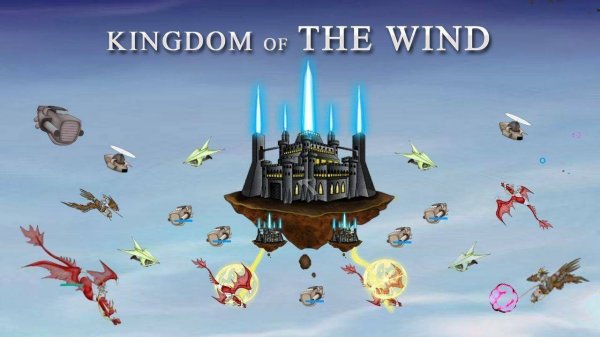
Gust Keep: Defend the Citadel
About
Gust Keep: Defend the Citadel offers a refreshing take on the tower defense genre by focusing on strategic depth rather than speed. The eight-day campaign provides a clear goal, and the day-night cycle adds meaningful variety without complexity. Unit placement and resource allocation require genuine thought, making each victory feel earned. The family-safe presentation and accessible controls make it a great choice for players of all ages.
Commanding the Fortress
Players assume the role of a commander responsible for a fortified stronghold. The primary goal is to survive eight in-game days against waves of attackers. Unlike many games in this genre, the emphasis here is on careful placement of defensive units and efficient use of resources rather than fast reflexes. Each day presents a new set of obstacles, and the pressure mounts as the hours pass.
Unit Roles and Placement
Defensive units are placed along paths that enemies use to approach the fortress. Each unit has a distinct function, and players must consider how to create overlapping coverage. Some units might be effective against groups, while others excel at stopping single, powerful foes. The key is to build a balanced network that can handle whatever comes.
Resource Management
Defeating enemies earns resources that can be spent on upgrading existing units or summoning additional defenders. Deciding when to invest in upgrades versus expanding the defense is a constant strategic choice. Resources are finite, so every decision matters. Monitoring the fortress health bar is critical, as a depleted bar ends the game.
Day and Night Cycle
The game features a day and night cycle that may influence enemy behavior. Some attackers might be more aggressive or numerous during certain times. Players must adapt their tactics accordingly, perhaps reinforcing certain areas or changing unit formations. This cycle adds a layer of depth without overwhelming the player.
Progressive Difficulty
Each of the eight days introduces more challenging waves. Early days serve as a learning period, allowing players to understand unit strengths and enemy patterns. Later days demand tighter strategies and more efficient resource use. The difficulty curve is designed to keep the experience engaging without becoming frustrating.
Accessibility and Depth
The controls are straightforward, making it easy for newcomers to start playing. However, mastering the game requires thoughtful planning and adaptation. The combination of a time-limited survival goal and adaptive difficulty means each playthrough can feel different. This structure suits both quick sessions and longer strategic planning.
Comments
Sign in to comment
You must be logged in before posting a review or rating.
No account? Create one
No comments yet. Be the first to comment!